eosinophilic granuloma cat paw
Paw pads may become swollen. Symptoms of feline plasma cell pododermatitis As it is known as pillow paw the most characteristic symptom of pododermatitis in cats is a swollen paw pad.

Feline Plasma Cell Pododermatitis Clinician S Brief
These ulcers are found on the edge of the upper lip in cats and can develop on one or both sides but typically are near the front.
. It is extremely itchy and cats will scratch and rub the affected sites. Eosinophilic granulomas can occur anywhere but most appear in the mouth hind legs and paw pads. This is more likely in cases that are recurrent.
Eosinophilic granuloma complex egc is a condition characterised by the presence of skin lesions over various parts of your cats body. Inflammatory esoinophilic granulomas generally appear on the face footpads front legs or inner thighs. Other sites include the bridge of the nose chin lips and paws.
Eosinophilic plaques can also occur anywhere on the body but are most commonly seen on the ventral abdomen. Feline eosinophilic granuloma common cutaneous mucocutaneous and oral lesions o Lesions can be linear nodular or popular and occur on skin paw pads mucocutaneous junction and in oral cavity Linear lesions more common on caudal or medial thigh. Paw pads may become swollen.
Other presentations are puffy paw pads and fat-chinned cats. Eosinophilic Granuloma Complex is a hard condition to explain especially since it has several forms but we will give it a try. Granulomas on the lip or chin give cats a pouty appearance.
These patients are usually quite comfortable in their skin. Linear granuloma or eosinophilic granuloma is a skin condition occurring mainly in young cats and present- ing as erythematous alopecic well-circumscribed linear lesions found mainly over the caudal thighs and in a nodular pattern in the oral cavity. Eosinophilic or linear granuloma is the third form of EGC.
Eosinophilic Granuloma Complex in Cats - Veterinary Partner - VIN VP You Might Like Feline allergic skin disease can take some highly ulcerative forms especially involving the upper lip. Symptoms While severe lesions are hard to miss other early signs can be subtle. Indolent ulcers What causes eosinophilic granuloma complex.
When the cats footpad is affected shell develop lumps on the bottom of her paw that often become ulcerated as she walks on them. Eosinophilic granulomas are also known as linear granulomas and collagenolytic collagen-destroying granulomas. Eosinophilic plaque a well-defined red raised wound is most commonly found on the belly and thighs.
Mouth lesions may lead to loss of appetite or drooling. 3 Give your cat corticosteroids. The skin reactions are most commonly due to an underlying.
The eosinophilic granuloma complex is a skin condition of cats that has been adequately described 8 but little is known of its cause. Eosinophilic granuloma complexes have varying signs but seem to be caused most commonly by an allergic hypersensitivity. These lesions have a characteristic microscopic appearance due to the presence of eosinophils which are a form of inflammatory white blood cell often associated with allergies.
If your cat has a skin or oral lesion dont assume it is a feline eosinophilic granuloma or plaque. Like the plaques these granulomas can show up in many places on the body most commonly on the lower lip chin back of the thigh and inside the mouth. Eosinophilic granuloma lesions are typically on a cats upper thighs or oral cavity.
Eosinophilic granuloma complex is a term used to describe three forms of skin lesions in cats including eosinophilic plaque eosinophilic granuloma and indolent ulcers. These lesions are often infected with bacteria which usually make this condition worse. While some EGC sores disappear on their own given time others require treatment and cause the kitty great discomfort.
Your cat might start scratching or licking himself. The chin may become quite swollen leading to a pouty appearance. They may be found anywhere on the body but are.
These lesions occur on the back of the thighs the face and the tongue and palate. Feline eosinophilic granuloma complex is a term used to describe a specific pattern of skin reactions in cats. In some cases we dont know what causes the lesions and are thus said to be idiopathic.
Typically found on the outside of the hind limbs face or inside the mouth. The exact cause of feline eosinophilic granuloma complex is unknown. These may include renal amyloidosis plasmacytic stomatitis eosinophilic granuloma complex or immune-mediated glomerulonephritis.
Eosinophilic ulcers also called rodent ulcers or indolent ulcers are well-defined red skin ulcers that are usually not painful or itchy. Some research studies suggest that a form of allergic response hypersensitivity reaction may be involved in the majority of cases. Thigh or abdomen sores typically look like red angry hives while lip sores may be more pustulent.
The most common is the rodent ulcer affecting the upper lip and inside of the mouth. Eosinophilic granuloma Another disease that can affect cats paws is eosinophilic granuloma also known as lick granuloma. There may be a genetic factor also.
The Natural Course of Eosinophilic Granuloma in a Cat i If your cat suffers from eosinophilic granuloma complex its natural course can run the gamut from a small ulcer to oozing lesions and masses resembling tumors. Other studies suggest that the. On the thighs the granulomas are often linear.
A virus recovered from a cat with a skin condition called paw and mouth disease apparently was feline calicivirus I. Most commonly the lesions occur on the caudal thighs face and the oral cavity. It occurs when the eosinophil type of white blood cell causes the body to response infection in a wrong way.
Eosinophilic ulcers are typically located on the cats upper lip. Most common cutaneous presentation of feline eosinophilic granulomas. Eosinophil is one of bodys defense system to battle infection such as foreign materials from outside the body.
Other names for this condition include rodent ulcer feline linear granuloma feline eosinophilic ulcer feline collagenolytic granuloma and cutaneous eosinophilic diseases. Known as eosinophilic granuloma complex the reaction can present around the cats mouth or throat chin or abdomen hind legs or footpads. The eosinophilic granuloma is a lesion that can occur on the skin mucocutaneously or in the oral cavity.
On the face the lesions are often nodular in appearance and cause lip and chin swelling. Eosinophilic granulomas are raised circular yellowish to pink nodules. In cats three diseases have been grouped in this complex.
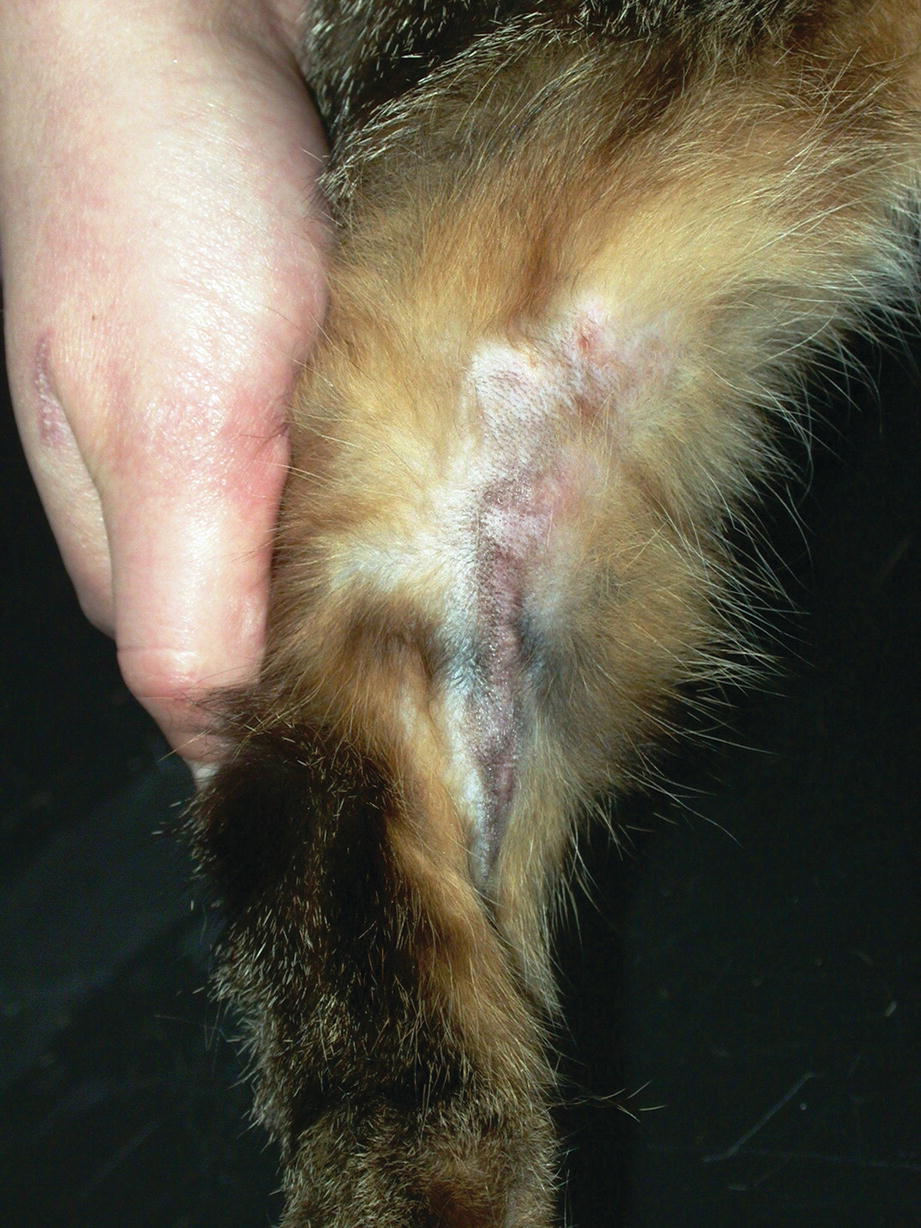
Plaques Nodules And Eosinophilic Granuloma Complex Lesions Springerlink

Dermatology Clinic For Animals Eosinophilic Granuloma Complex Cats In Tacoma Wa Dermatology Clinic For Animals

Why Are My Cat S Paws Sore And Swollen Paws And Effect

Dermatology Vets On The Balkans An Online Journal For Veterinarians From The Balkans

Feline Plasma Cell Pododermatitis Surgical Treatment With A Flexible Fiber Co2 Laser
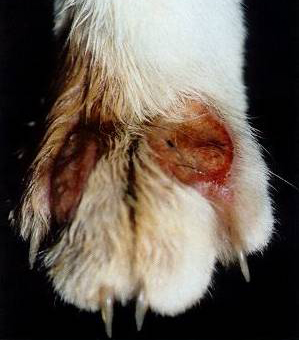
Eosinophilic Granuloma Complex International Cat Care
Pink Lump Growth On Cat S Paw Pad Thecatsite

Free Access International Society Of Feline Medicine Facebook
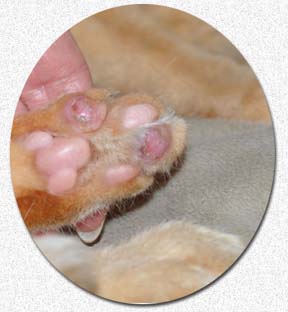
What Are Those Painful Looking Red Sores On My Cat S Lips Or Body Egc

What Is Eosinophilic Granuloma Complex In Cats Causes Symptoms And Treatment

Feline Eosinophilic Granuloma Complex Egc Causes Symptoms And Treatment Kingsdale Animal Hospital

Case 2 Follow Up Of The Left Hindlimb A On Presentation Note Download Scientific Diagram
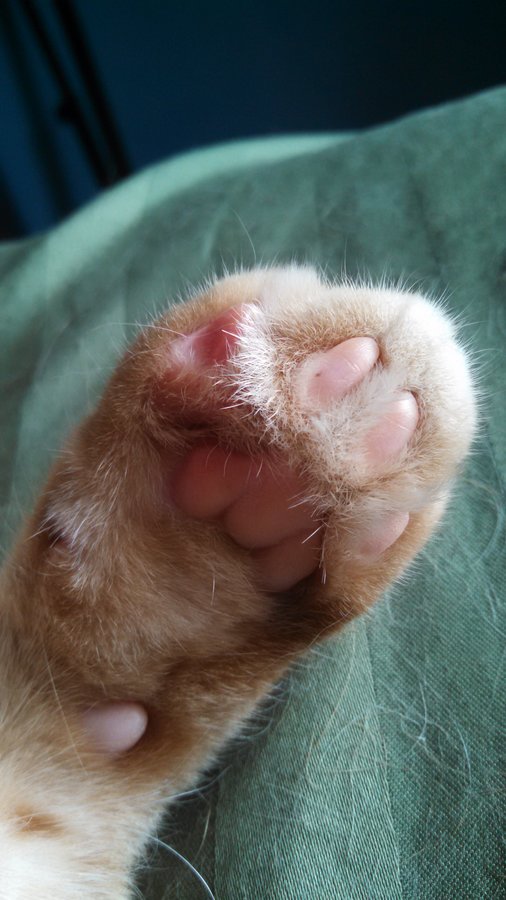
Weird Paw Condition Vet Can T Diagnose Thecatsite

Egc Lesions In Cats Brief Media
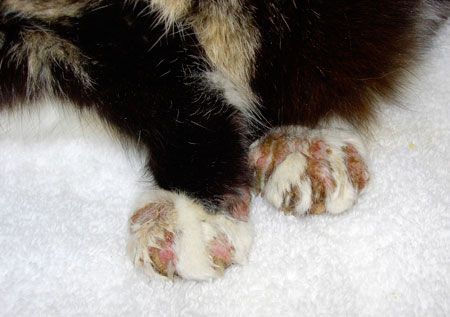
The Idiosyncrasies Of Itchy Cats

My Cat Randomly Got A Swollen Bottom Lip With What Looks Like Some Acne Of Some Sort She S 7 Months Old And Is Not Fixed Petcoach
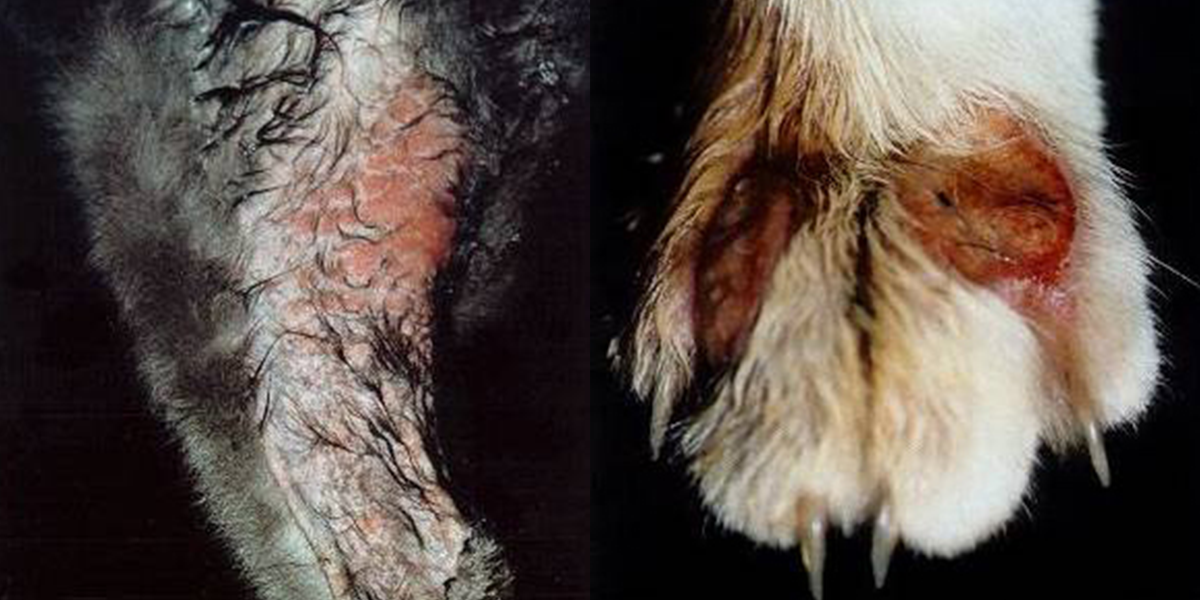
Eosinophilic Granuloma Complex International Cat Care

Plasma Cell Pododermatitis In Lacey Wa Dermatology Clinic For Animals
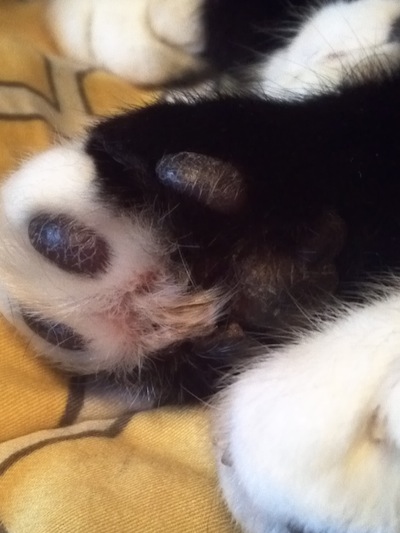
Lesions On Cat S Ear And Feet Pemphigus Ask A Vet